Hvar, the queen of Dalmatian islands
The queen of Dalmatian islands
When we think of Hvar – we think about the island of sunshine and crickets, lavender, sage and wine… the island of rosemary and secluded coves.
The island Hvar is the queen of the Dalmatian islands and it has been famous since the antique because of its important strategic and nautical position, the rich of the various historical periods, the culture and natural monuments and the literature.
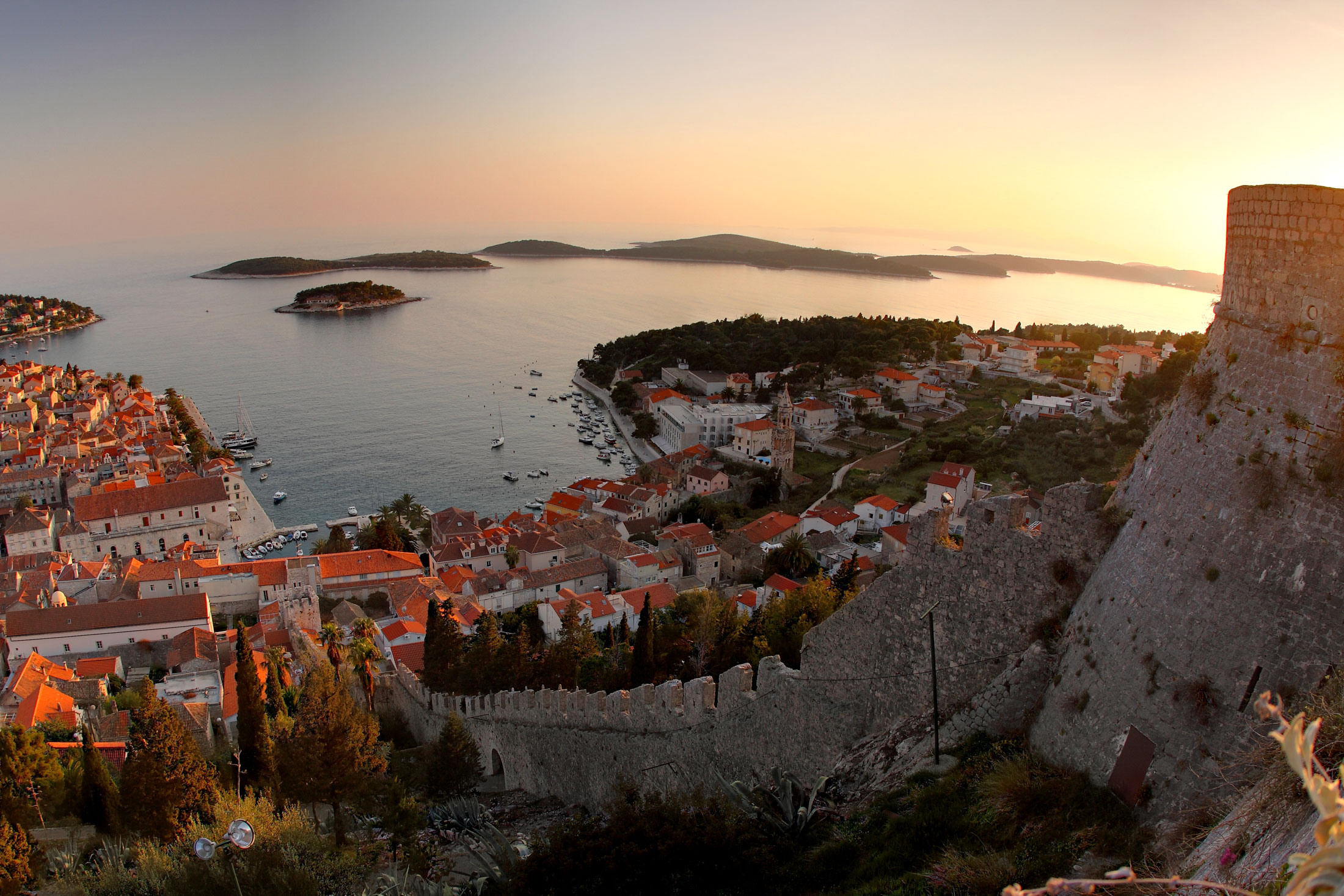

Thanks to the mild climate, the warm winters and pleasant summers Hvar receives many guests, scientists and travellers, who are attracted by the dense Mediterranean nature that is not yet destroyed by the industry, so that you can enjoy the fresh fish with domestic olive oil and the excellent wine amongst other.
Hvar was called the “Austrian Madeira” before the World War I, and today it is considered to be one of the 10 most beautiful islands in the world. When we think of Hvar – we think about the island of wheather, sunshine and crickets, the island of lavender, sage and wine and the island of rosemary and secluded coves.
Attractive in the summer just as in the winter, with pleasant Mediterranean climate, rich vegetation of palms, aloes, pine trees, laurel, rosemary and lavender and peaceful coves and islets filled with a multitude of pleasant scents.
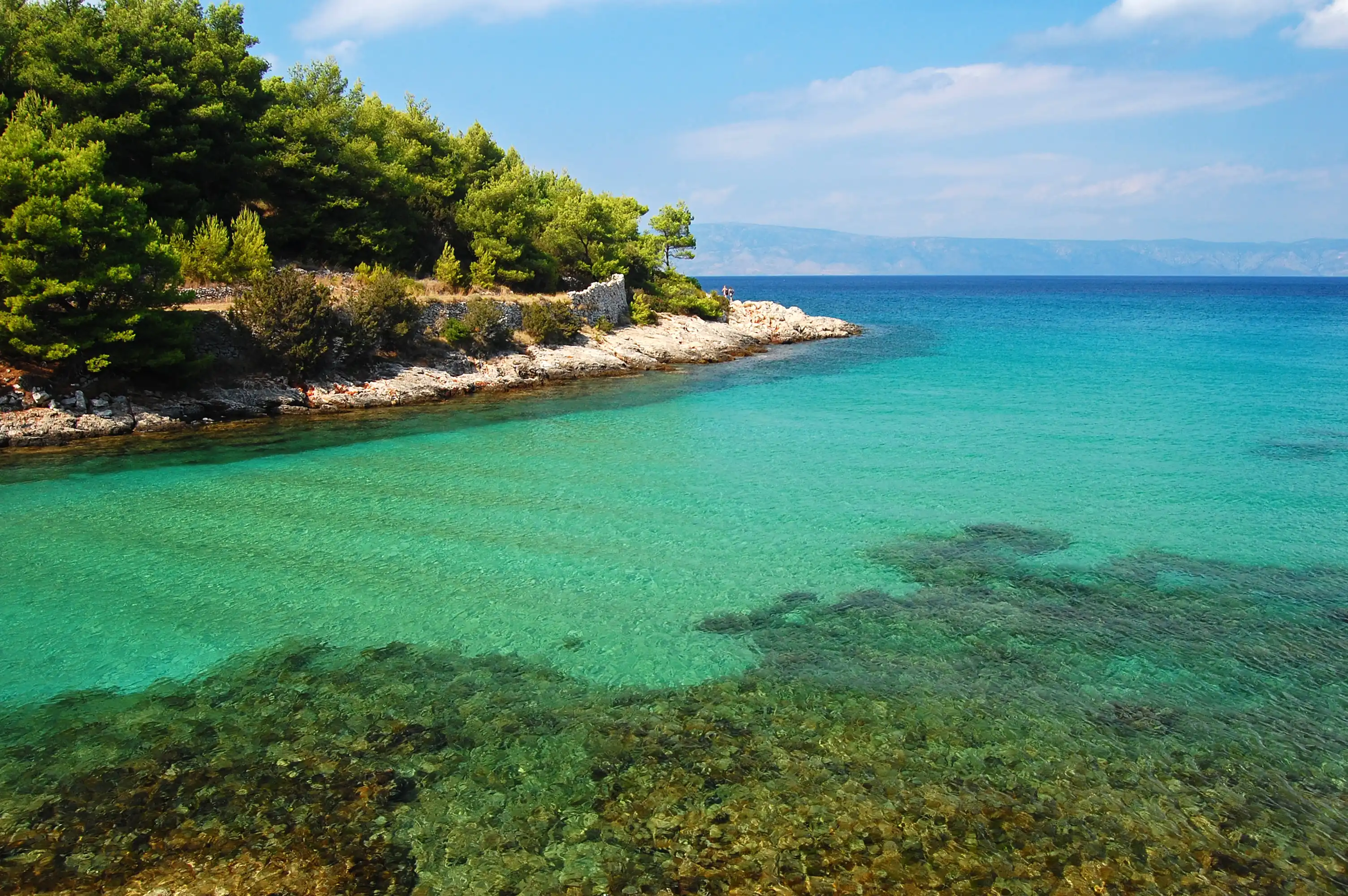
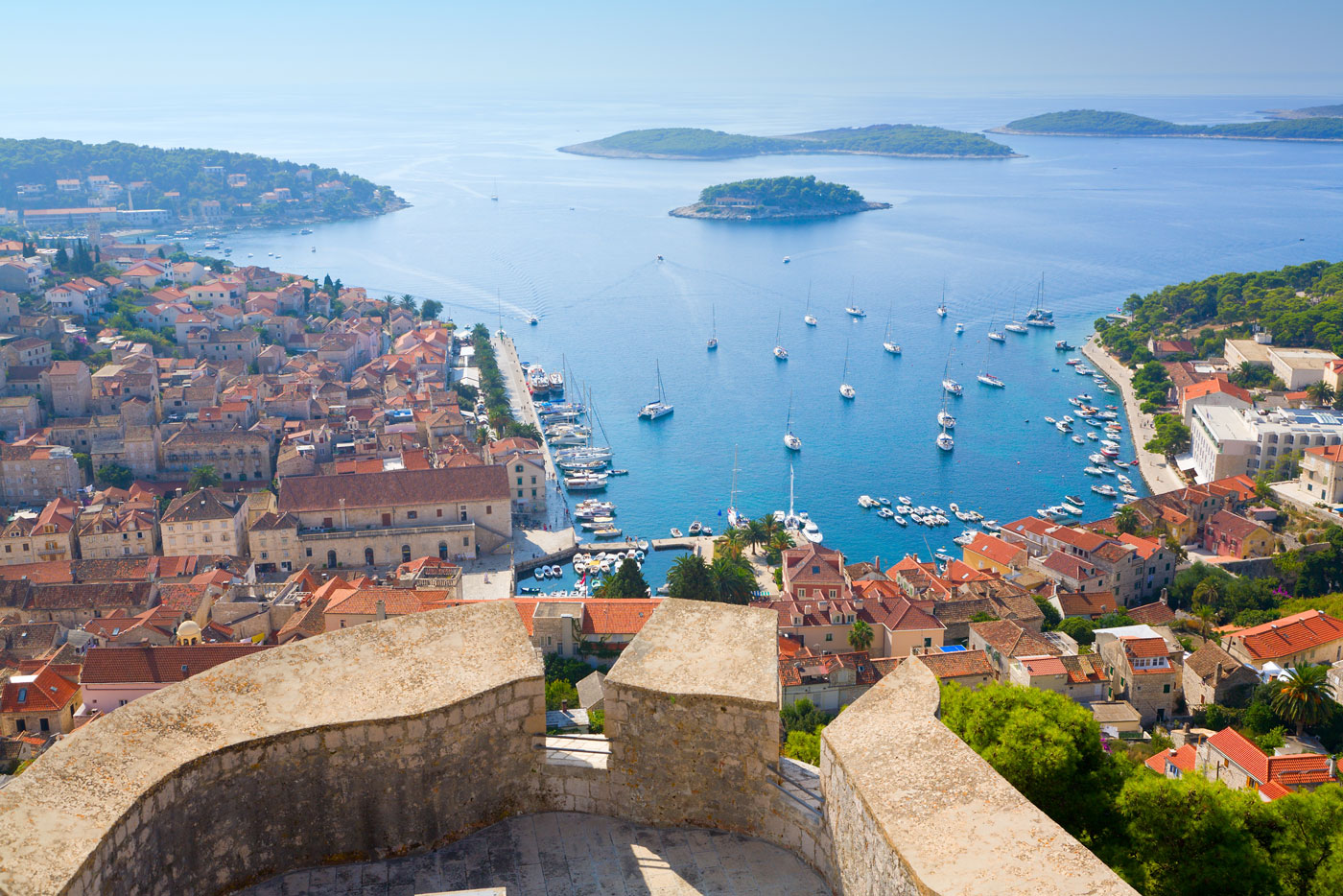
Fortica (Španjola)
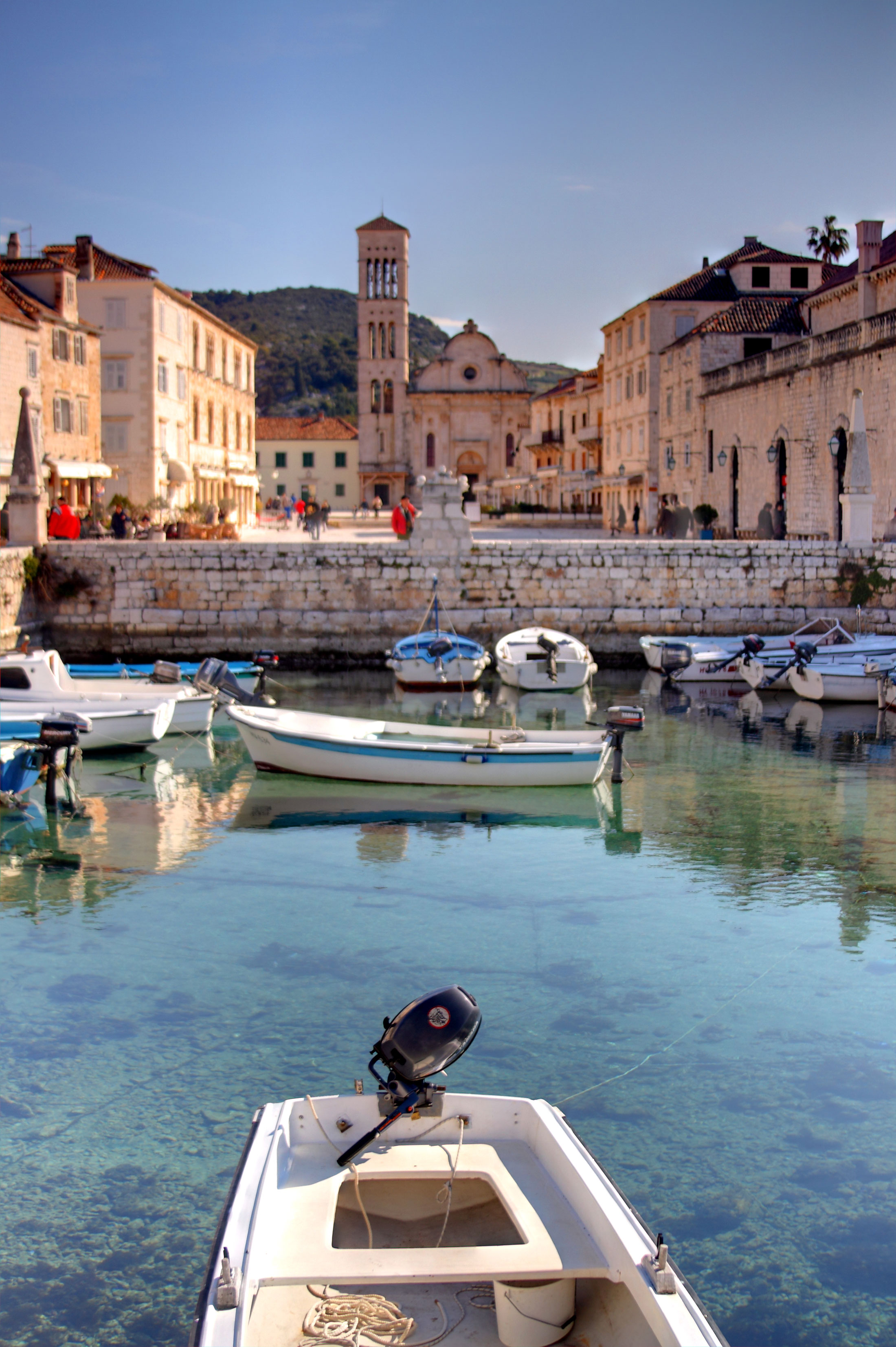
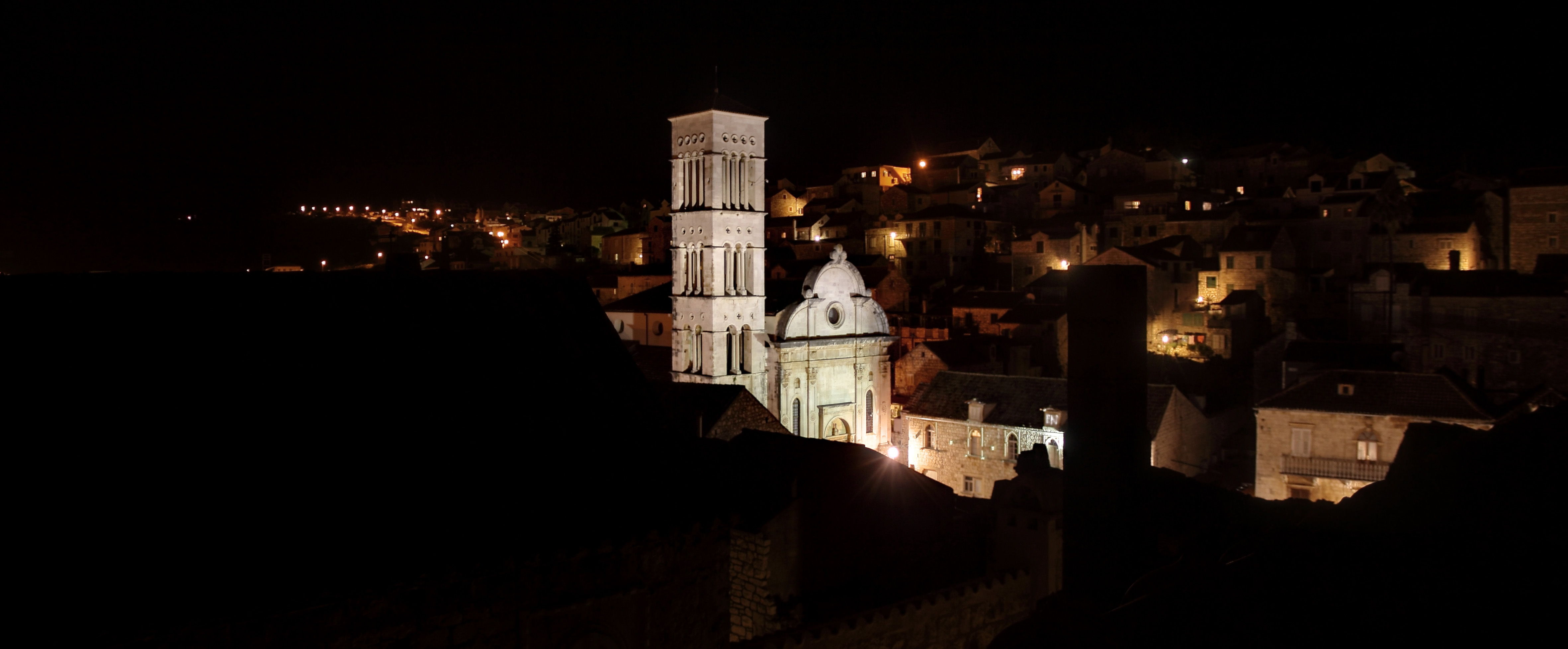
Fortress was built above the old city in the mid 16th century. Its architecture and military history will thrill you as much as the view of the city of Hvar and the surrounding islands. Hvar’s cathedral and the Bishop’s palace enclose the east side of the biggest square in Dalmatia - Hvar’s Pjaca (St. Stephen’s sq.). The cathedral is dedicated to St. Stephen, the Pope and martyr, patron of dioceses and city of Hvar. Hvar’s cathedral is also the parish centre.
Hvar’s cathedral
and the Bishop’s palace enclose the east side of the biggest square in Dalmatia -Hvar’s Pjaca (St. Stephen’s sq.). The cathedral is dedicated to St. Stephen, the Pope and martyr, patron of dioceses and city of Hvar. Hvar’s cathedral is also the parish centre.
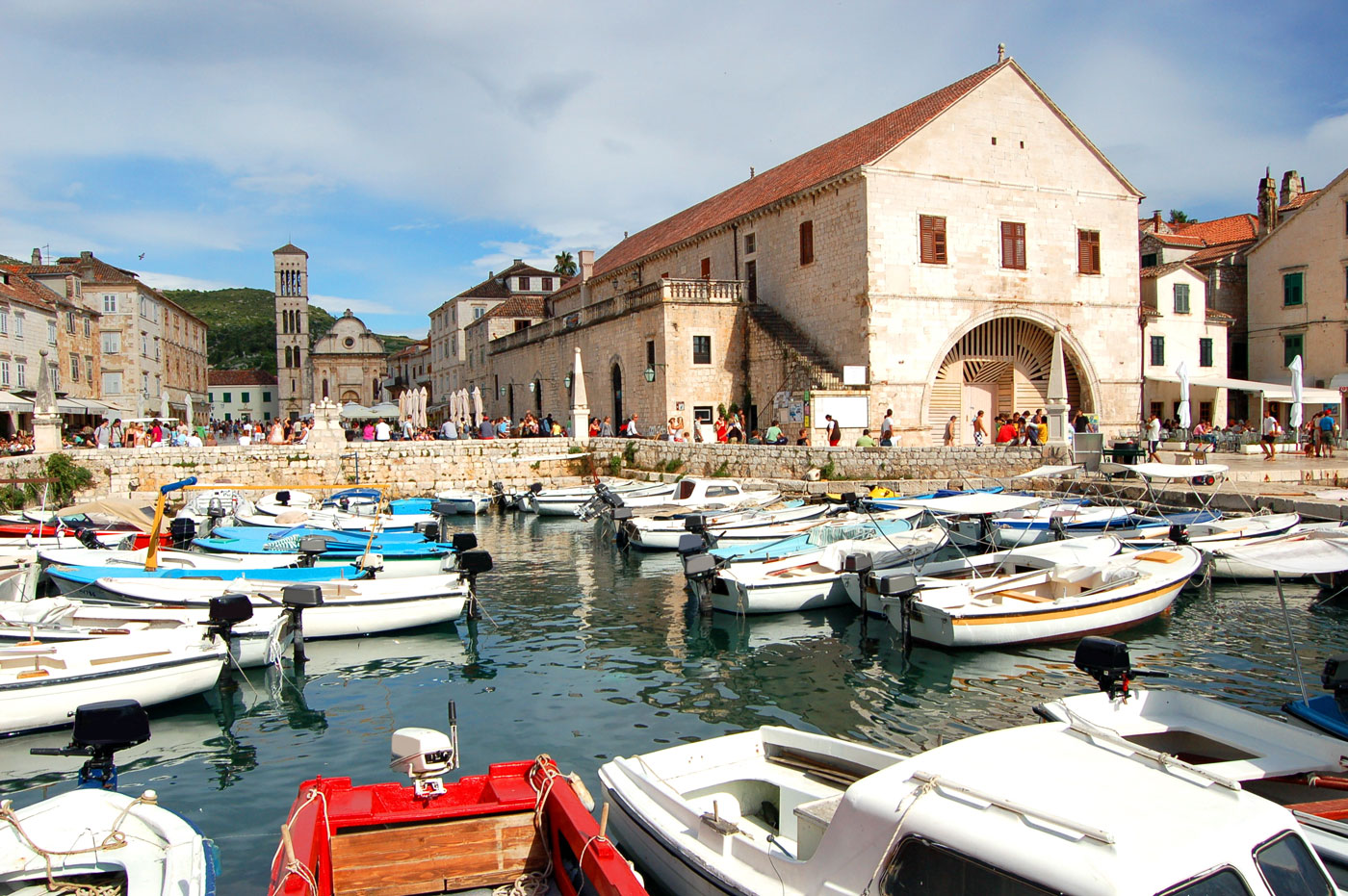
Hvar’s theatre
(and Arsenal)
is one of the first municipal theatres in Europe. It was founded in 1612. Erected on the ancient Arsenal (a space used for repairing of galleons, and a storage of various seafaring tools). The theatre's exterior is mostly preserved in its original form. The interior architectonics is from the 19th century.
The Franciscan
Monastery
was founded in 1461. Within the calm and silence of the monastery you can enjoy in monastery's rich museum, among which the collection of old masters is exceptional.
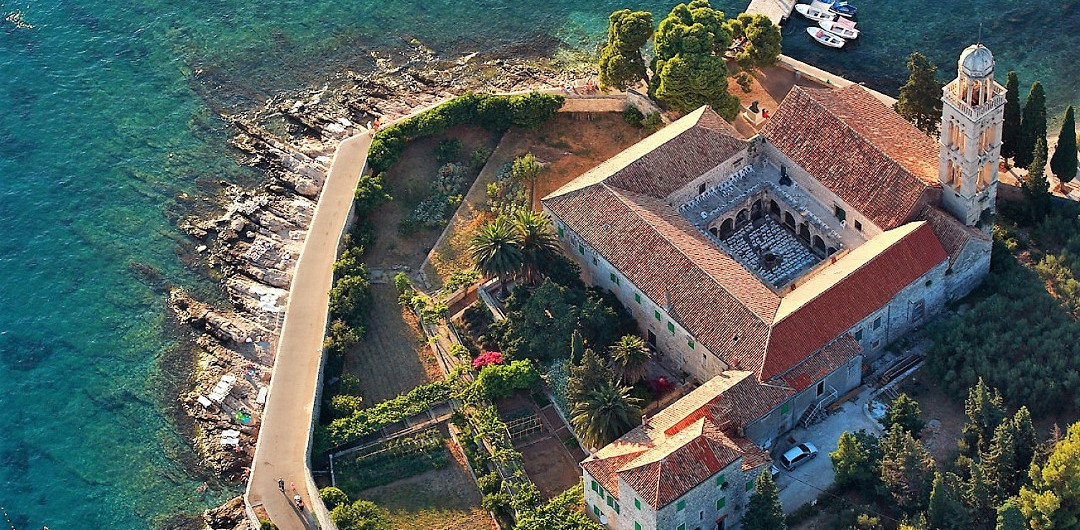
Benedictine Monastery
in Hvar
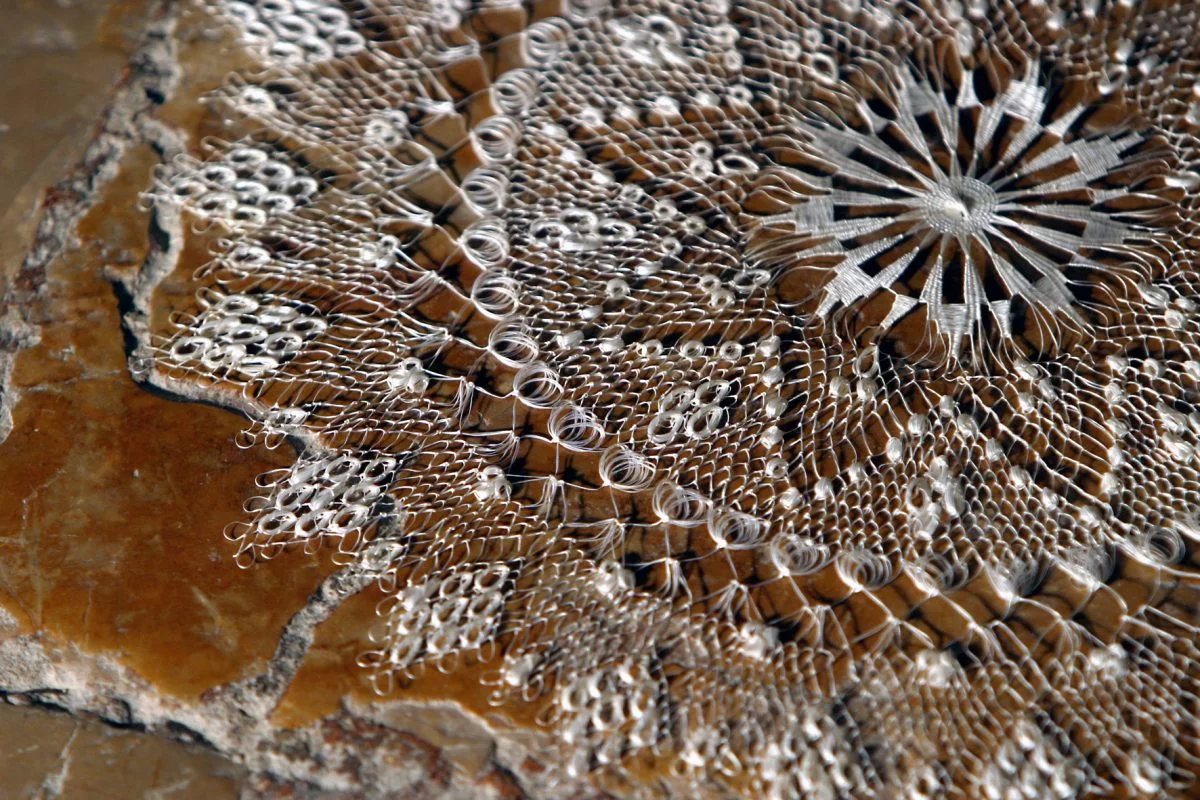
monastery complex consists of the monastery itself, the baroque church and the Hanibal Lucić museum. The museum collection contains many valuable paintings, preserved works of Venetian and Dubrovnik masters as well as church silverware. From the original house of Hanibal Lucić in the oldest part of the monastery, a well and a pavement have been preserved. Nowadays, the Benedictine monastery is especially known to the world for its agave lace, which is nurtured and passed down from generation to generation in the monastery and is on the UNESCO list as a cultural intangible asset.
Visit us on Social Media